Automatic Litter Box vs Regular: Is It Worth It? (October 2026)
In an automatic litter box vs regular comparison, choose automatic for less daily scooping if your cat accepts it and you can maintain the machine. Choose a regular box for simpler care, easy waste checks and fewer setup steps.
On this page (12 sections)
- Automatic litter box vs regular: which should you choose?
- How does the daily work differ?
- Which box will your cat find comfortable?
- Which of these 3 products fits your routine?
- What setup does an automatic box need?
- Can you use the same litter in both types?
- How should you introduce a different box?
- Do automatic boxes solve odor and scatter?
- How much maintenance should you expect?
- What changes in a multi-cat home?
- What mistakes should you avoid?
- Automatic litter box vs regular: the final decision
In the automatic litter box vs regular decision, choose automatic cleaning to reduce daily scooping, or a regular box for simpler care and easier waste checks. The right choice is the one your cat uses comfortably and you can keep clean.
Automation changes the work rather than removing it. Instead of scooping every clump yourself, you'll empty collected waste, check the machine and clean its parts.
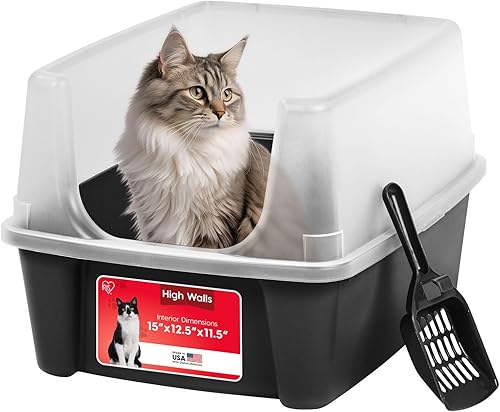
This comparison covers the Cumrige 95L Automatic Litter Box, the open IRIS USA High-Sided Litter Box and the Amazon Basics Hooded Litter Box. They represent 3 different routines: machine-assisted cleaning, open-tray scooping and covered-box scooping.

Automatic litter box vs regular: which should you choose?
Choose an automatic box when daily scooping is the main problem you want to solve. Choose a regular box when your priority is easy access, direct inspection or a care routine with fewer parts.
Start with your cat's current habits. A cat that willingly uses an enclosed space is a more natural candidate for a covered design than one that avoids hoods, doors or tight entrances.
Then consider your own habits. Someone who dislikes frequent scooping but reliably handles weekly chores may prefer automation; someone who wants every cleaning job to be quick and obvious may prefer a tray.
Automatic vs regular litter boxes for a busy routine
An automatic box suits a busy schedule when you can still make daily checks. It can remove waste between visits, but a full bin, blocked mechanism or power problem still needs a person.
A regular box suits you if scooping is already a manageable habit. There is little benefit in replacing a routine that works with equipment you'll find harder to maintain.
If bending or lifting is difficult, compare the actual care tasks before buying. A machine can reduce scooping while still requiring you to reach a waste drawer, remove parts or move the unit for cleaning.
How does the daily work differ?
Automatic boxes collect waste for you; regular boxes require manual waste removal. Both need fresh litter, clean surfaces and checks for mess outside the box.
For a regular tray, scoop at least daily and more often when needed. Check corners and sides as well as the center, since waste can stick where a quick pass misses it.
With an automatic box, check that waste has moved into the bin and the litter area is ready for another visit. Empty the bin before it becomes overfilled, even if the machine has not prompted you.
Cumrige advertises up to 15 days of waste-bin capacity. Use the actual bin condition to set your schedule, since cat numbers and use affect how quickly waste builds up.
Do not treat that capacity as a reason to leave cats without daily care. Arrange for someone to check the cats and litter setup while you're away.
Which box will your cat find comfortable?
The best box gives your cat room to enter, turn and squat without awkward movement. A large outer shell or generous capacity figure does not tell you how much usable room your cat has.
Measure your available floor space, then allow extra room for the approach and exit. A box that fits tightly beside furniture may leave too little space for comfortable entry or cleaning.
For covered boxes, consider headroom and turning space as well as floor area. For any style, watch whether your cat climbs in easily, turns freely and leaves without squeezing through the entrance.
Older cats and cats with limited movement may need a lower, easier entry. The IRIS has an open top, but an uncovered design alone does not establish that its entrance suits every cat.
Cumrige specifies a cat weight range of 2.2 to 33 lb. Check its full use restrictions before buying, especially for a young kitten, and judge physical comfort separately from weight eligibility.
Which of these 3 products fits your routine?
The Cumrige suits shoppers seeking less manual scooping, the IRIS suits cats that prefer open access, and the Amazon Basics suits cats comfortable under a hood. Choose by entry style and care needs before comparing extra features.
Cumrige: for reducing daily scooping
The Cumrige is the choice here if you want cleaning cycles and remote controls. Its Tuya Smart app includes cleaning, waste disposal, litter-change controls and a feature Cumrige calls health tracking.
Its body measures 19.69 x 21.65 x 26.18 in and weighs 30.4 lb. Plan a location where you can reach the bin and remove parts without regularly lifting the whole machine.
Skip this option if you want a box with no device setup or troubleshooting. Cumrige describes quiet operation, but a sound-sensitive cat should still meet the machine gradually.
IRIS USA: for an open, visible litter area
The IRIS measures 19 x 15 x 11.75 in and includes a scoop. Its high-sided shield helps contain digging scatter and spraying while leaving the top open.
Choose it if you want a clear view of the litter without removing a cover. The polished interior is designed to make cleanup easier, though you still need to remove stuck waste.
Skip it if you need an enclosed space your cat already prefers. High sides can help contain mess, but they won't prevent every grain from leaving on your cat's paws.
Amazon Basics: for cats that accept a hood
The Amazon Basics measures 20.67 x 15.75 x 14.96 in. Its cover lifts off for scooping and litter changes, and the swinging door helps contain mess.
A pre-installed carbon filter provides odor control, with replacements sold separately. Choose it for a cat that already uses a covered box comfortably.
Skip it if your cat hesitates at doors or avoids enclosed toilets. A hood can hide waste from your view, so make lifting the cover part of your daily routine.
What setup does an automatic box need?
An automatic box needs correct assembly, litter and placement before you rely on its cleaning cycle. A regular box needs a suitable location and litter, with far fewer setup steps.
Place either style in a quiet, easy-to-reach spot where your cat has a clear exit. Avoid trapping the entrance behind a door or putting the box beside equipment that suddenly becomes loud.
For the Cumrige, app pairing requires 2.4G WiFi and location and Bluetooth permissions for device discovery. Confirm your network setup before expecting remote controls to work.
Fit the waste bag flat around the bin and fill litter to the indicated liner edge. Loose bag material, incorrect assembly and overfilling can create problems that another cleaning cycle will not solve.
Before normal use, check assembly and operation according to the instructions. Keep your cat away while you inspect moving parts, and disconnect power before maintenance where directed.
Can you use the same litter in both types?
A regular box gives you more freedom to keep your cat's familiar litter; an automatic box needs litter that works with its cleaning system. Start with compatibility rather than scent or convenience.
The Cumrige works with clumping litter types. Do not assume that every material used in a regular tray will pass through an automatic separator correctly.
Follow the model's litter guidance and fill mark. Too much litter can interfere with operation, while too little can leave waste sticking to surfaces or prevent useful clumps from forming.
If possible, avoid changing both the box and litter at once. Keeping a familiar litter can make the new toilet easier for your cat to recognize.
Our guide to which litter works in a self-cleaning box explains the compatibility choices to check before switching.
How should you introduce a different box?
Introduce the new box alongside the familiar one, then let your cat approach it at their own pace. Removing the old toilet immediately can turn a simple change into avoidance.
Keep the familiar box clean and available. Do not make it unpleasant to force your cat toward the new one.
For an automatic model, follow the instructions for introducing cleaning cycles and supervise early use. Let your cat become comfortable with the space before expecting acceptance of movement and sound.
Look for repeated, relaxed use rather than a single visit. Hesitation, quick retreats or toileting elsewhere mean you should reconsider location, entry, litter or the box style.
The guide to getting a cat to use an automatic litter box gives a fuller transition plan.
Do automatic boxes solve odor and scatter?
Automatic cleaning can separate waste sooner, but stored waste still needs removal. Regular scooping can also control buildup when you keep a consistent routine.
A covered box may make the room look tidier while keeping a dirty interior out of sight. Open it regularly and judge cleanliness from inside, not just from the surrounding room.
For either type, clean nearby floors and litter mats as well as the box. Tracked litter and missed urine will keep causing odor even after you've emptied the waste.
Avoid using strong fragrance to cover a care problem. Check for trapped waste, dirty seams, overdue litter changes or an overfilled bin first.
How much maintenance should you expect?
Regular boxes need scooping and periodic washing; automatic boxes add bins, sensors and moving parts to the care routine. Buy the type whose deeper cleaning jobs you can manage consistently.
Follow the model's directions for disassembly, cleaning products and drying. Keep electrical parts dry, and do not immerse a motor base or control unit.
Cumrige's instructions identify alerts for incorrect lower-bin installation and a blocked drum. If an alert appears, find the cause before repeatedly restarting the machine.
Keep supplies together so maintenance does not become a search for bags, a scoop or cleaning tools. Check recurring needs before buying, including compatible waste bags and replacement filters where applicable.
Our automatic litter box cleaning guide explains how to build a care schedule around the parts that need attention.
What changes in a multi-cat home?
A multi-cat home needs enough accessible toilet options, regardless of how quickly a machine clears waste. Automation does not prevent one cat from blocking another's route.
Cumrige supports single- or multiple-cat use, but shared use increases the amount of waste you must manage. Check the bin and litter level more often as use rises.
Place boxes so cats have choices rather than making them all pass through one narrow area. Several toilets grouped together may not solve an access conflict.
Keep a regular option available when an automatic unit is being cleaned or needs attention. Our guide to whether 2 cats can share a litter box covers sharing and placement in more detail.
What mistakes should you avoid?
The biggest mistake is choosing convenience before cat acceptance. A machine that saves scooping is no help if your cat avoids it.
Other common mistakes include:
- Choosing by capacity alone. Check entry, turning room and the space around the box.
- Overfilling to delay refills. Follow the fill mark instead of adding extra litter.
- Ignoring recurring supplies. Plan for bags, filters and litter that suit the box.
- Relying only on notifications. Look inside and check the surrounding area yourself.
- Removing every backup. Keep a usable toilet available during cleaning or repairs.
Presence sensors are a useful feature, but safe use also depends on correct setup and following restrictions. Read whether automatic litter boxes are safe for cats before choosing a machine.
App health tracking does not replace observing your cat's habits. If you notice a concerning change, contact your veterinarian rather than relying on the app to explain it.
Automatic litter box vs regular: the final decision
Choose the Cumrige if scooping is the chore you need to reduce and you can handle machine care. Before ordering, confirm your cat's suitability, the available space, litter compatibility and network setup.
Choose the IRIS if your cat prefers an open tray and you want cleaning needs visible at a glance. Choose the Amazon Basics if your cat accepts a hood and door and you can commit to opening it for daily care.
Keep your current regular box if it works well for both you and your cat. An upgrade should solve a specific problem, such as missed scooping, rather than add equipment to a routine you're happy with.
For the next step in your automatic litter box vs regular choice, read whether self-cleaning litter boxes are worth it. The complete self-cleaning litter box guide covers the wider range of styles and care needs.
Frequently asked questions
Is an automatic litter box worth it?
An automatic litter box is worth considering when daily scooping is hard to keep up with and your cat accepts the machine. It shifts the work toward emptying a waste bin, checking operation and cleaning parts, so choose one only if that routine suits you better than manual scooping.
Do cats prefer automatic or regular litter boxes?
Cats have individual preferences, so neither type suits every cat. Familiar litter, enough room, comfortable entry and a quiet location can matter more than automatic cleaning; keep the old box available during a switch and watch for hesitation, avoidance or difficulty turning inside the new one.
Does an automatic litter box mean no scooping?
An automatic box reduces routine scooping, but it does not remove all litter care. You still need to empty collected waste, maintain the fill level, inspect for stuck waste and clean the parts as directed, with a regular box available when the machine needs attention.
Should I keep a regular box with an automatic one?
Yes, keep a regular box during the transition and have one available for outages, cleaning or repairs. In a multi-cat home, plan enough separate toilet options rather than assuming one automatic unit will meet every cat’s needs simply because it clears waste between visits.


